

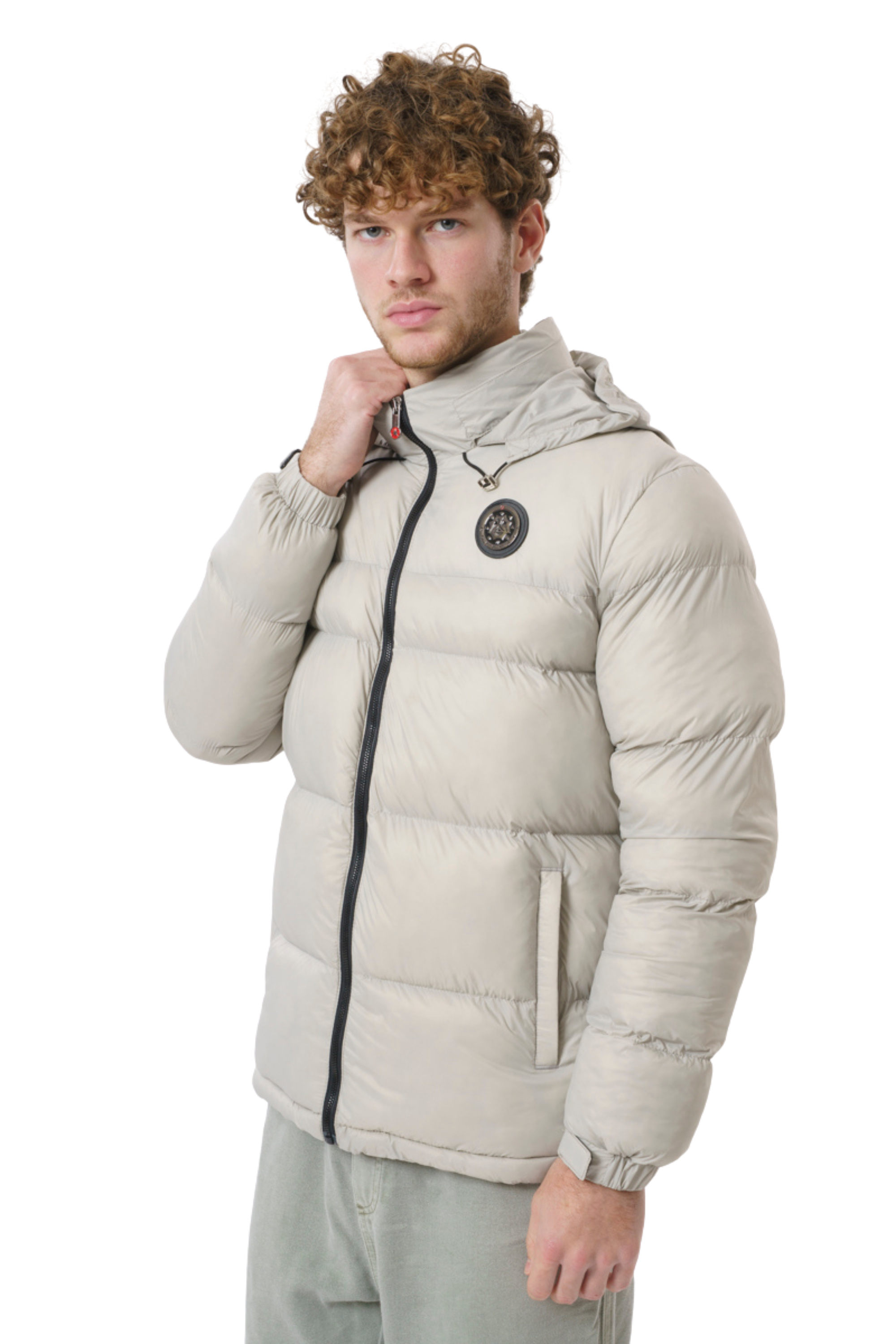
Understanding the Fundamentals of Strategic Layering
Mastering the art of layering men's winter clothing transcends mere functionality—it represents a sophisticated approach to sartorial adaptability. The quintessential urban gentleman requires outerwear solutions that seamlessly transition between boardroom presentations and weekend excursions, all while maintaining thermal regulation and aesthetic refinement.
Strategic layering operates on the principle of thermal zoning, where each garment serves a specific purpose in creating an integrated climate control system. Base layers manage moisture wicking, mid-layers provide insulation, and outer shells offer protection against environmental elements. This triumvirate approach ensures optimal comfort across varying temperature fluctuations while preserving the wearer's professional appearance.
The modern urbanite faces unique challenges when selecting winter apparel. City microclimates can shift dramatically within blocks, demanding versatile pieces that perform equally well in heated indoor environments and frigid outdoor conditions. Quality construction becomes paramount, as frequent donning and doffing throughout daily commutes tests even the most meticulously crafted garments.
Essential Base Layer Principles
Material Selection and Performance
Foundation garments directly influence the entire layering system's efficacy. Merino wool represents the gold standard for base layer construction, offering superior moisture management while maintaining odor resistance during extended wear. Its natural thermoregulation properties adapt to ambient temperature changes, preventing overheating in heated environments while retaining warmth during outdoor exposure.
Synthetic alternatives provide enhanced durability for active lifestyles. Polyester blends featuring advanced moisture-wicking technology excel in high-output scenarios where perspiration management becomes critical. These engineered fabrics dry rapidly, reducing the clammy discomfort associated with traditional cotton underlayers.
Fit Considerations for Optimal Performance
Proper base layer fit ensures unimpeded circulation while maintaining close skin contact for effective thermal transfer. The garment should feel like a second skin—snug without restriction, allowing full range of motion during daily activities. Seam placement becomes crucial, with flatlock construction preventing chafing during extended wear periods.
The sophistication of a layered ensemble begins with invisible foundations. A well-chosen base layer transforms good outerwear into exceptional performance gear.
Mid-Layer Mastery
Insulation Technologies
Mid-layer selection determines the system's insulating capacity while influencing overall silhouette proportions. Down insulation provides unmatched warmth-to-weight ratios, creating loft that traps warm air efficiently. Premium down fills offer superior compressibility, allowing for streamlined profiles when worn beneath tailored outer shells.
Synthetic insulation presents advantages in humid climates where moisture exposure threatens down's performance. Modern synthetic fills maintain insulating properties when damp, ensuring consistent thermal protection throughout unpredictable weather patterns. These materials also offer easier maintenance protocols, accommodating frequent laundering without degradation.
Styling Versatility
Contemporary mid-layers function as standalone pieces during transitional seasons. Merino sweaters, fleece pullovers, and insulated vests provide styling flexibility while maintaining technical performance standards. Color coordination becomes essential, as mid-layers often remain visible when outer shells are removed in indoor environments.
Textural contrast adds visual interest to layered ensembles. Combining smooth base layers with textured knits creates dimensional depth, while maintaining cohesive color palettes ensures professional appearance standards.
Outer Shell Selection Strategies
Weather Protection Technologies
Premium outer shells incorporate advanced fabric technologies that balance weather resistance with breathability. Membrane systems prevent moisture ingress while allowing vapor transmission, preventing internal condensation that compromises thermal regulation.
Urban environments demand shells that withstand frequent handling, public transportation wear, and varying activity levels. Reinforced stress points and durable water repellent treatments ensure longevity while maintaining professional appearance standards.
- Waterproof ratings above 10,000mm provide adequate protection for urban use
- Breathability ratings exceeding 10,000g/m²/24hr prevent moisture buildup
- Articulated sleeve construction allows unrestricted movement
- Adjustable hem systems accommodate varying mid-layer volumes
Functional Design Elements
Modern outer shells integrate practical features without compromising aesthetic appeal. Removable hoods provide adaptability for varying weather conditions while maintaining clean lines when detached. Interior pockets accommodate essential items while preserving exterior silhouette smoothness.
Ventilation systems become crucial for active urban lifestyles. Underarm zippers and interior venting allow rapid thermal adjustment without removing entire layers. These features prove invaluable during temperature transitions common in metropolitan environments.
Color Coordination and Style Integration
Successful layering extends beyond technical performance to encompass sophisticated color relationships. Monochromatic schemes create elongating effects while simplifying daily coordination decisions. Tonal variations within single color families add visual depth without overwhelming professional appearance requirements.
Neutral foundations provide maximum versatility across varying social contexts. Charcoal, navy, and earth tones integrate seamlessly with existing wardrobes while offering timeless appeal that transcends seasonal trend cycles.
| Layer Type | Recommended Colors | Style Impact |
|---|---|---|
| Base Layer | Black, Navy, Charcoal | Invisible foundation |
| Mid Layer | Grey, Camel, Forest | Transitional versatility |
| Outer Shell | Black, Navy, Olive | Professional statement |
Seasonal Adaptation Techniques
Early Winter Configurations
Transitional periods demand flexible layering approaches that accommodate rapidly changing conditions. Lightweight merino base layers combined with fleece mid-layers and weather-resistant shells provide adaptability for unpredictable autumn weather patterns.
Vest integration offers core warmth without sleeve bulk, maintaining freedom of movement while providing essential thermal protection. This configuration proves ideal for active commuters who generate heat through physical activity.
Deep Winter Systems
Extreme cold conditions require maximum insulation without sacrificing mobility. Heavy-weight base layers paired with down mid-layers and insulated shells create comprehensive thermal barriers against sub-freezing temperatures.
Extremity protection becomes critical during severe weather exposure. Coordinated accessories including insulated gloves, thermal scarves, and weather-resistant headwear complete the protective ensemble while maintaining aesthetic cohesion.
Frequently Asked Questions About Layering
How many layers should I wear for optimal warmth without bulk?
The ideal configuration typically involves three distinct layers: a moisture-wicking base, insulating mid-layer, and protective outer shell. Adding additional layers often creates diminishing returns while increasing bulk and restricting movement.
Can I layer a suit jacket under my winter coat?
Professional requirements sometimes necessitate wearing blazers or suit jackets beneath outerwear. Choose outer shells with generous cut allowances and consider transitional pieces like wool topcoats that accommodate tailored garments without compromising fit.
How do I prevent overheating in heated indoor spaces?
Successful layering systems emphasize removability and ventilation options. Choose pieces with full-zip fronts, removable components, and breathable materials that adapt to temperature variations throughout daily routines.
What's the difference between water-resistant and waterproof outerwear?
Water-resistant treatments repel light moisture but eventually saturate during prolonged exposure. Waterproof membranes provide complete moisture barriers suitable for extended outdoor exposure in harsh weather conditions.
Investment Priorities for Building a Layering Wardrobe
Strategic wardrobe development prioritizes versatile foundations over trendy additions. Quality base layers and mid-layers see frequent use across multiple outfit combinations, justifying higher initial investments in premium materials and construction.
Outer shells represent the system's most visible component, demanding careful consideration of both performance and aesthetic appeal. Timeless silhouettes in classic colors provide longevity while advanced technical features ensure continued relevance across changing weather patterns.
- Establish foundation with premium base layers in essential colors
- Add versatile mid-layers suitable for standalone wear
- Invest in weather-appropriate outer shells with technical features
- Supplement with seasonal accessories for complete protection
The modern gentleman's approach to layering winter clothing reflects broader lifestyle priorities: efficiency, versatility, and understated sophistication. By understanding fundamental principles and investing in quality components, discerning individuals create comprehensive outerwear systems that perform across diverse urban environments while maintaining professional appearance standards throughout demanding daily schedules.
Share:
Best Winter Puffer Jackets for Urban Men in 2025